Piles, also called haemorrhoids, are a common medical condition that causes pain, itching, and swelling in the anal and rectal area. Affecting 4.4% of the population worldwide, up to one-third of adults experience this condition at some point in their lives. Along with proper treatment, paying attention to your diet is crucial for managing piles effectively. Certain foods can aggravate symptoms, so it’s essential to know what foods to avoid during piles and what foods not to eat in piles.
In this blog, we will provide you with a detailed guide on foods to avoid for piles, foods to avoid after piles surgery, and other foods to avoid for piles treatment, helping you manage discomfort and promote faster healing.
Top Foods and Beverages to Avoid During Piles
Processed Meat
Consuming processed meat is directly linked to a higher risk of high cholesterol, cancer, and heart disease. If you are suffering from piles or haemorrhoids, you need to avoid adding processed food to your diet, as it contains zero fibre, and you should not eat no-fibre meals during piles.
This is one of the best foods to avoid piles. Examples of processed meat include bacon, sausage, deli meats, hot dogs and salted or cured meats. Being aware of foods not to eat in piles can prevent unnecessary strain and worsening of symptoms
Spicy Food
Though there is no direct scientific evidence that spicy foods affect haemorrhoids, they can fuel existing symptoms. So, if you are diagnosed with swollen haemorrhoids, eating spicy food may increase the flare-ups or increase discomfort. The reason behind this is due to capsaicin, the active compound in chilli peppers, which is hard for the digestive system.
As this active compound passes through the intestines and exists with stool, it may worsen the burning or pain around irritated haemorrhoidal tissue. This is another key item on the list of foods not to eat in piles
Alcohol
There are several ways that alcohol can affect your digestive system. First, drinking alcohol may slow down the intestines, leading to constipation and worsened haemorrhoids. Moreover, being a dehydrating beverage, alcohol not only causes constipation but also inhibits the antidiuretic hormone (ADH), due to which you might urinate frequently.
As your intestines start to retain more water due to the water loss in your body, your stool remains with less water, making it more difficult to pass. This makes alcohol one of the foods not to eat in piles and a crucial pile treatment food to avoid.
High Salt Foods
Foods with a high salt content, such as cured meat, chips, salty snacks, etc., are at risk of causing water retention and dehydration in your body. Consuming sodium in high amounts of sodium can raise blood pressure in the veins, even those found around the rectum, and can make the piles or haemorrhoids condition worse.
Other than that, consuming too much salt extracts water from the stool, drying and hardening it. To combat this, make sure you limit your salt intake and relieve haemorrhoidal vein pressure; for that, you can eat fresh, home-prepared meals and avoid packaged foods and snacks. This is a classic example of food to avoid in piles.
Caffeinated Products
Excessive intake of caffeine increases the risk of constipation and bloating. Caffeine carries a diuretic effect, which leads to dehydration and frequent urination if consumed in a much higher percentage than expected. Tea, coffee, and carbonated drinks should also be avoided, as they can worsen the haemorrhoid condition, along with caffeine irritating the gastrointestinal lining in some people.
Hence, drinking plenty of herbal teas can aid in softening your stool and managing your digestive system. Avoiding these foods to avoid during piles can make a significant difference in recovery.
Medicines & Other Supplements
Supplements such as iron can be one of the factors that can worsen piles and, hence, should be avoided. As iron supplements are known to cause constipation, however, constipation may also be the result of side effects of several commonly taken medicines. For the best result, consult your doctor to determine which could be best to manage piles. This is a part of understanding what food to avoid during piles, along with the piles treatment food to avoid.
Dairy Products
Dairy products are considered high in protein, vitamin D and calcium, but they do not contain essential fibres. Adding cheese, milk, creamers, and ice cream in excess can also make bowel movements harder to pass, leading to constipation and straining, both of which can worsen piles and haemorrhoids. If you are healing from piles, it is necessary to reduce dairy intake temporarily.
So, it is better to switch to non-dairy alternatives with more fibre in proportion; also, ensure you balance your diet with a balanced percentage of fruits, vegetables, and whole grains to manage the pile condition. Dairy products are definitely foods not to eat for piles.
Refined Flour
Refined flour, like white flour, does not contain any germ or bran, which are the parts of the wheat kernel containing fibre. In short, refined flour contains very little to no fibre, and it is best to avoid low-fibre foods if you are suffering from a haemorrhoid flare. Studies have also shown that haemorrhoids may get worse with bleeding if you do not get enough fibre in your diet.
Low-fibre foods result in hard, thick stools that are more difficult to pass without straining, putting pressure on your haemorrhoids, leading to swelling and bleeding. To calm your haemorrhoid flare, avoid foods made from refined flour, such as pizza crust, white bread, bagels, non-wholegrain pasta, bakery items like pies, cakes, and muffins. These are foods not to eat in piles and part of the best foods to avoid piles.
Fried or Greasy Foods
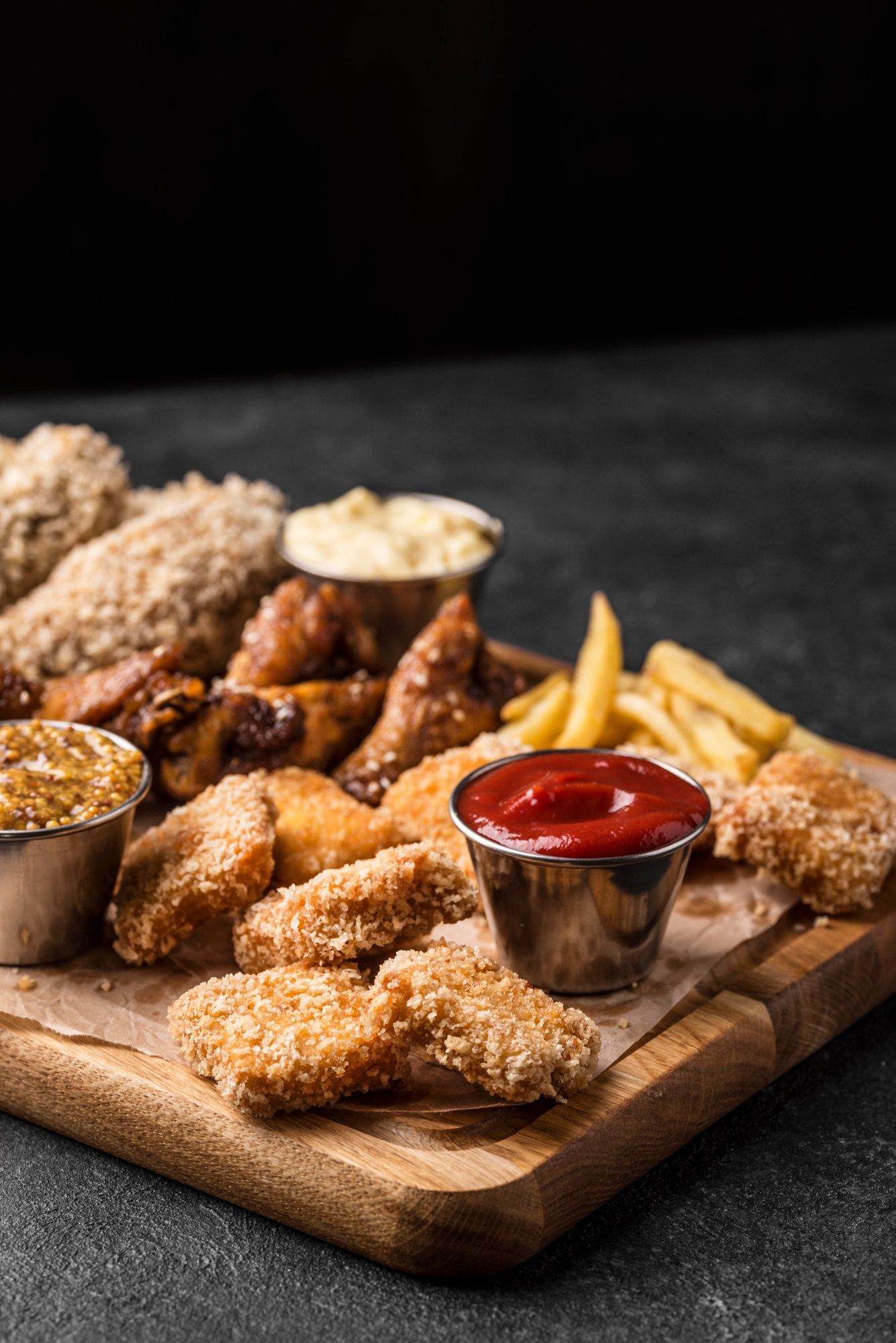
Fried or greasy foods may feel delicious to eat, but they contain very little fibre. They make your stools harder and difficult to pass. Trying hard to pass the stools can increase your risk for developing haemorrhoids and flaring. So, if you are craving fried or greasy food, avoid it, whether you are going out or at home. Try to bake instead of frying when preparing meals. These are classic examples of food not to eat in piles.
Avoid Fibre Pills
If you are low in fibre, avoid fibre pills, even if everyone tells you to get enough fibre to get rid of constipation. This is one of the biggest diet mistakes everyone should avoid. Consumption of these pills can add bulk, but they do not soften stool unless hydration is increased, which can make passing stool painful.
Instead, increase fibre by eating fruits, vegetables, oats, and legumes. Gradually add these foods to your diet so your digestive system adjusts without causing additional pressure. This helps avoid food to avoid after piles surgery and aligns with the piles treatment food to avoid.
Unripe Fruits
Adding fruits aids in relieving piles symptoms. But unripe fruits are those you should avoid when managing piles. For example, unripe bananas contain high levels of resistant starch that lead to constipation, harder stool, and increased haemorrhoid pain. Stick to ripe fruits like papayas, berries, apples, and pears, which are rich in fibre and easy to digest, keeping your stool soft and supporting bowel function during recovery. Knowing what food to avoid in piles helps in selecting safe fruit options.
Sugary Foods
Sugary foods, especially highly processed ones, can lead to constipation and worsen symptoms. These foods are often low in fibre and can cause digestive problems. Avoid cakes, cookies, candies, and other sugary treats or limit them, as they lead to constipation. Sweetened beverages, such as fruit juices and sodas, should also be avoided. These are foods not to eat in piles, and an important part of food not to eat for piles.
Managing piles isn’t just about medication; it starts with understanding how your food choices affect your body. Spicy, oily, processed, and low-fibre foods can worsen symptoms by causing constipation and increasing pressure on rectal veins. Following a diet that avoids the best foods to avoid piles and incorporates fibre-rich fruits, vegetables, and whole grains while drinking plenty of water can reduce discomfort, prevent flare-ups, and support faster healing.
Remember, a healthy diet isn’t just about what you eat, it’s also about what you choose to avoid. A personalised approach to diet, planned according to individual sensitivities and requirements, is essential for effective pile management and overall well-being, including foods to avoid after pile surgery.